Why Mechanical Engineering Design Is Essential for Commercial Construction
Modern commercial buildings are far more complex than traditional structures. From office towers and hospitals to retail spaces and industrial facilities, today’s buildings rely heavily on advanced mechanical systems that ensure comfort, efficiency, safety, and functionality. Mechanical engineering design plays a crucial role in the successful development of these systems, making it a fundamental component of commercial construction projects.
Mechanical engineering in construction involves the planning, design, and implementation of critical building systems such as heating, ventilation, air conditioning (HVAC), energy management systems, and mechanical infrastructure that supports overall building operations. Without well-designed mechanical systems, buildings may suffer from poor air quality, energy inefficiency, uncomfortable environments, and high operational costs.
Professional engineering firms like R&P Consulting Engineers bring specialized knowledge and expertise to commercial construction projects. By integrating mechanical engineering design into the early stages of building development, they help ensure that buildings operate efficiently, meet regulatory requirements, and deliver long-term performance.
This blog explores why mechanical engineering design is essential for commercial construction and how experienced professionals contribute to safer, more efficient, and sustainable building environments.
Understanding Mechanical Engineering Design in Construction
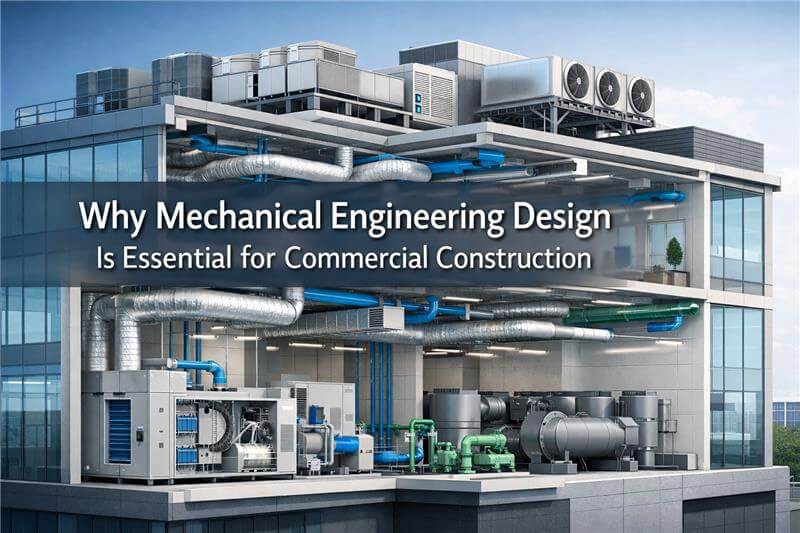
Mechanical engineering design focuses on the development of systems that control a building’s internal environment and operational efficiency. These systems are responsible for regulating temperature, airflow, humidity, energy usage, and overall mechanical performance within the structure.
Key mechanical components in commercial buildings include:
- Heating and cooling systems
- Ventilation and air distribution networks
- Energy management systems
- Mechanical equipment and machinery
- Building automation systems
These systems must be carefully designed to meet the unique needs of each building type. A hospital, for example, requires specialized ventilation and filtration systems, while a retail building may prioritize climate control and energy efficiency.
Engineering firms such as R&P Consulting Engineers evaluate the architectural layout, occupancy requirements, and operational demands of a building before designing mechanical systems that align with the project’s objectives.
Enhancing Energy Efficiency in Commercial Buildings
Energy efficiency is one of the most significant benefits of professional mechanical engineering design. Commercial buildings consume large amounts of energy, particularly through heating, cooling, and ventilation systems. Poorly designed mechanical systems can result in excessive energy consumption and high operational costs.
Mechanical engineers design systems that optimize energy usage while maintaining comfortable indoor environments. This includes selecting energy-efficient equipment, optimizing airflow systems, and implementing smart building technologies that monitor and regulate energy consumption.
Companies that offer mechanical engineering services in New Jersey play a critical role in helping commercial property owners meet energy efficiency standards while reducing long-term operating expenses.
By leveraging advanced engineering strategies, R&P Consulting Engineers ensures that commercial buildings achieve optimal energy performance without sacrificing comfort or functionality.
Improving Indoor Air Quality and Occupant Comfort
Indoor air quality is an essential factor in commercial buildings. Employees, customers, and visitors spend long hours inside these environments, making proper ventilation and air circulation vital for health and comfort.
Mechanical engineering design ensures that HVAC systems provide:
- Proper ventilation and fresh air supply
- Effective temperature regulation
- Humidity control
- Removal of airborne pollutants
A well-designed mechanical system promotes healthier indoor environments and enhances occupant productivity and satisfaction.
With professional design and planning from R&P Consulting Engineers, commercial buildings can maintain consistent air quality standards while providing comfortable working and living environments.
Supporting Complex Building Infrastructure
Modern commercial buildings incorporate a wide range of advanced technologies and infrastructure systems. Mechanical engineering design ensures that these systems operate smoothly and efficiently within the building.
Mechanical engineers must coordinate with other engineering disciplines, including electrical and plumbing engineers, to create integrated building systems. This collaboration ensures that mechanical equipment works seamlessly with other infrastructure components.
For example:
- HVAC systems must coordinate with electrical power systems
- Ventilation systems must align with fire safety designs
- Mechanical equipment must fit within architectural layouts
By offering comprehensive mechanical engineering services in New Jersey, engineering firms help ensure that all building systems function together effectively.
Through their expertise in integrated MEP design, R&P Consulting Engineers ensures that commercial buildings achieve optimal performance and reliability.
Ensuring Compliance With Building Codes and Regulations
Commercial construction projects must comply with numerous building codes, safety standards, and energy regulations. Mechanical engineering design plays a crucial role in ensuring that buildings meet these legal and regulatory requirements.
Codes often regulate aspects such as:
- HVAC system efficiency
- Ventilation requirements
- Equipment installation standards
- Energy consumption limits
- Environmental impact regulations
Failure to meet these standards can result in construction delays, costly redesigns, and potential legal issues.
Experienced firms like R&P Consulting Engineers understand the complexities of building regulations and ensure that mechanical systems are designed in compliance with all applicable codes and industry standards.
Developers who seek professional mechanical engineering services in New Jersey benefit from expert guidance that ensures their projects meet both local and national requirements.
Reducing Long-Term Operational Costs
Mechanical systems represent a significant portion of a building’s operational expenses. Poorly designed systems can lead to frequent maintenance issues, inefficient energy usage, and costly repairs.
Professional mechanical engineering design helps reduce these costs by:
- Selecting reliable and energy-efficient equipment
- Optimizing system layouts for easier maintenance
- Reducing energy consumption
- Extending the lifespan of mechanical equipment
By focusing on long-term performance, engineering firms like R&P Consulting Engineers help commercial property owners maximize the value of their investments.
Efficient mechanical systems not only reduce operating costs but also improve the overall reliability of building infrastructure.
Supporting Sustainable and Green Building Initiatives
Sustainability has become a major priority in modern construction. Many commercial projects now aim to reduce environmental impact through green building practices and energy-efficient designs.
Mechanical engineering design plays a key role in achieving sustainability goals by incorporating technologies such as:
- High-efficiency HVAC systems
- Energy recovery ventilation
- Smart building automation systems
- Renewable energy integration
These solutions help reduce energy consumption and carbon emissions while maintaining building performance.
Engineering firms offering mechanical engineering services in New Jersey often assist developers in achieving sustainability certifications and environmental compliance standards.
With their expertise in modern engineering strategies, R&P Consulting Engineers helps commercial projects implement sustainable mechanical solutions that align with environmental goals.
Improving Building Safety and System Reliability
Mechanical engineering systems are essential for maintaining safe building environments. HVAC systems help regulate temperatures, control humidity, and prevent the buildup of harmful pollutants.
In many buildings, mechanical systems also play a role in fire safety through smoke control and ventilation systems. Proper design ensures that these systems function effectively during emergency situations.
Professional engineering design also helps prevent system failures that could disrupt building operations. Reliable mechanical infrastructure ensures that commercial buildings remain operational and comfortable even during extreme weather conditions or heavy usage.
Through expert planning and design, R&P Consulting Engineers provides mechanical solutions that enhance both safety and reliability in commercial construction projects.
Facilitating Efficient Construction Processes
Mechanical engineering design also contributes to smoother construction processes. When mechanical systems are properly planned during the early design stages, contractors can install equipment more efficiently and avoid costly changes during construction.
Engineering teams collaborate with architects, contractors, and project managers to ensure that mechanical systems fit within the building’s structure and layout.
This coordination helps:
- Prevent installation conflicts
- Reduce construction delays
- Improve project timelines
- Enhance overall project efficiency
By providing comprehensive mechanical engineering services in New Jersey, firms like R&P Consulting Engineers help developers streamline construction projects and achieve successful outcomes.
Supporting Future Building Expansion and Upgrades
Commercial buildings often undergo expansions, renovations, or system upgrades over time. Mechanical engineering design must account for future adaptability and scalability.
Professional engineers design systems that allow for future modifications without requiring major structural changes. This flexibility is particularly important for businesses that expect growth or evolving operational needs.
For example, mechanical engineers may design HVAC systems with additional capacity to support future expansion. They may also plan mechanical infrastructure that allows new technologies to be integrated later.
By working with experienced professionals like R&P Consulting Engineers, commercial property owners can ensure that their buildings remain adaptable and efficient for many years.
Enhancing Overall Building Performance
The performance of a commercial building depends heavily on the efficiency of its mechanical systems. Proper mechanical engineering design ensures that buildings operate smoothly and deliver reliable performance throughout their lifespan.
Key performance benefits include:
- Stable temperature control
- Efficient energy management
- Reduced system downtime
- Improved occupant comfort
- Lower maintenance costs
These advantages make mechanical engineering design an essential part of successful commercial construction.
Through strategic planning and innovative solutions, R&P Consulting Engineers helps developers create high-performing buildings that meet the demands of modern businesses.
Why Professional Mechanical Engineering Expertise Matters
Mechanical engineering design requires specialized knowledge, technical expertise, and experience with complex building systems. Attempting to design or install mechanical systems without professional guidance can lead to inefficiencies, safety issues, and regulatory violations.
Professional engineering firms bring valuable advantages such as:
- Advanced technical knowledge
- Experience with commercial construction projects
- Compliance with industry standards
- Integrated MEP system coordination
- Reliable system performance
By partnering with experts like R&P Consulting Engineers, developers gain access to high-quality engineering solutions that support the long-term success of their projects.
Conclusion
Mechanical engineering design is a cornerstone of modern commercial construction. From energy-efficient HVAC systems to integrated building infrastructure, mechanical engineering ensures that buildings operate safely, efficiently, and comfortably.
With the growing complexity of commercial structures, professional engineering expertise is essential for developing systems that meet performance expectations and regulatory requirements. Well-designed mechanical systems not only enhance occupant comfort but also reduce operational costs and support sustainable building practices.
By delivering innovative engineering solutions and integrated system design, R&P Consulting Engineers plays a vital role in helping commercial construction projects succeed.
For developers and property owners seeking reliable mechanical engineering services in New Jersey, working with experienced professionals ensures that buildings are designed with efficiency, safety, and long-term performance in mind.
Investing in expert mechanical engineering design ultimately leads to stronger, smarter, and more sustainable commercial buildings that stand the test of time.