
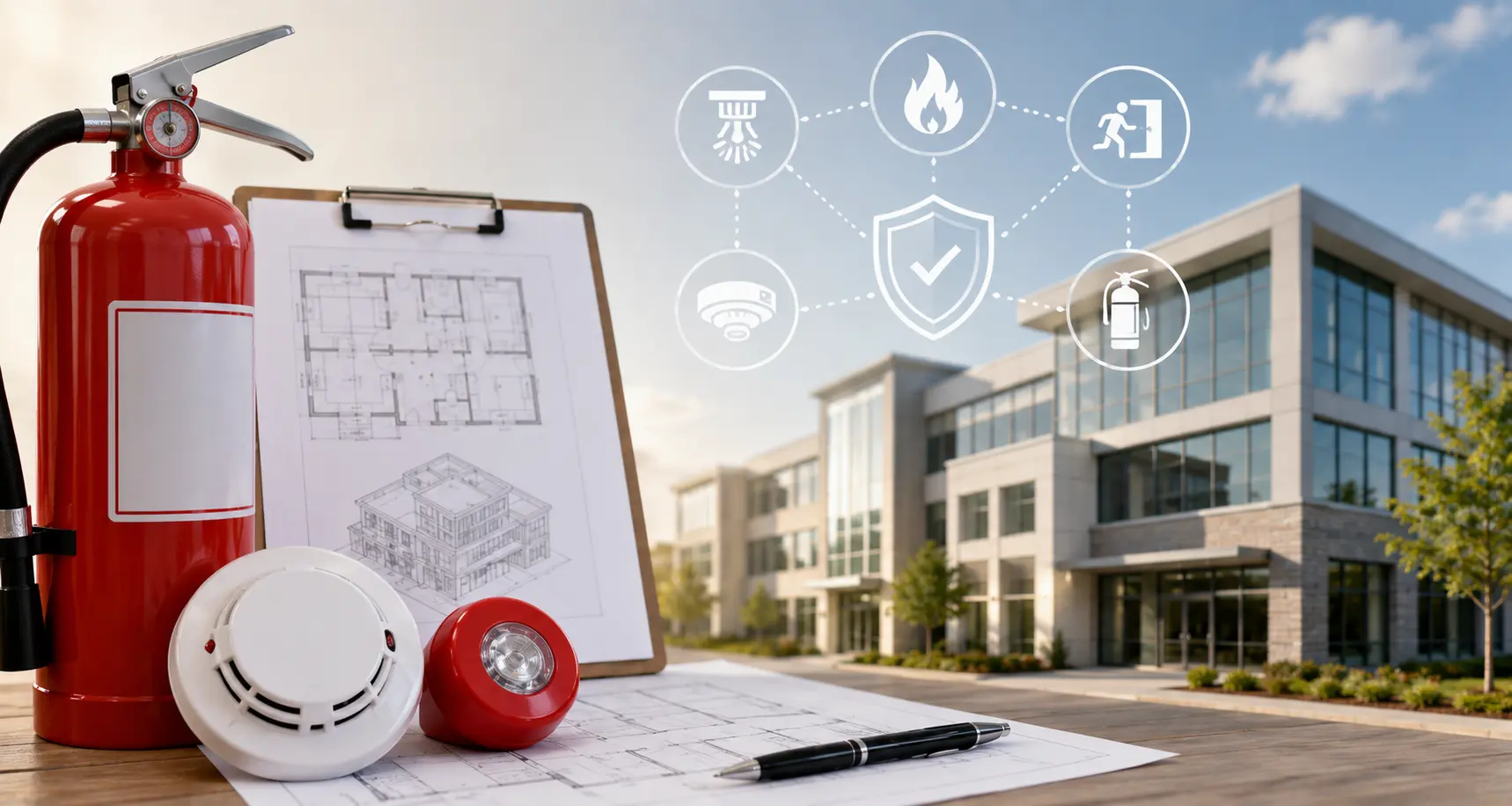
Essential Fire Protection Planning for Safer Building Developments
Modern building developments require more than attractive architecture and efficient layouts. Safety has become one of the most critical components of successful construction projects, especially when protecting occupants, assets, and infrastructure from fire-related risks. Fire protection planning is no longer simply a regulatory requirement—it is a strategic investment that improves safety, reduces liabilities, and creates more resilient buildings.
As construction technologies evolve and building designs become increasingly complex, developers, architects, engineers, and contractors must prioritize comprehensive fire protection strategies from the earliest planning stages. Effective fire protection planning helps create safer environments while ensuring projects remain compliant with local building regulations and industry standards.
R&P Consulting Engineers understands that successful fire protection planning requires technical expertise, collaboration, and innovative engineering approaches that align with modern building requirements.
Understanding Fire Protection Planning in Building Development
Fire protection planning involves designing systems, procedures, and engineering solutions intended to prevent fires, minimize damage, and protect occupants during emergency situations. It combines multiple disciplines including engineering, architecture, code compliance, and risk management.
Comprehensive fire protection planning generally includes:
- Fire alarm system design
- Fire suppression systems
- Emergency evacuation planning
- Smoke management strategies
- Building code compliance
- Risk assessments
- Occupancy analysis
- Fire-resistant construction materials
- Emergency communication systems
The earlier these elements are incorporated into project planning, the more effective and cost-efficient the overall development becomes.
Why Fire Protection Planning Matters in Modern Construction
Buildings today are larger, more complex, and more technologically integrated than ever before. Mixed-use developments, healthcare facilities, commercial buildings, warehouses, and institutional facilities all require specialized fire protection approaches.
Proper planning helps:
Protect Human Life
The primary purpose of fire protection systems is protecting building occupants. Well-designed systems provide earlier detection, faster response times, and safer evacuation routes.
Reduce Financial Losses
Fire-related incidents can create substantial financial consequences including:
- Property damage
- Construction delays
- Legal expenses
- Insurance claims
- Operational disruptions
Strong fire protection measures significantly reduce these risks.
Improve Regulatory Compliance
Building codes continuously evolve. Fire protection planning ensures projects comply with applicable standards and avoids costly redesigns or delays during permitting and inspections.
Increase Property Value
Buildings with advanced safety infrastructure often provide stronger long-term investment value and improved tenant confidence.
Key Components of Effective Fire Protection Engineering
Successful fire protection requires multiple integrated systems working together rather than isolated solutions.
Fire Detection Systems
Early detection remains one of the most important aspects of fire safety. Modern detection systems include:
- Smoke detectors
- Heat detectors
- Flame detectors
- Intelligent monitoring systems
- Networked alarm systems
Advanced systems provide rapid notifications that improve emergency response times.
Fire Suppression Systems
Suppression systems actively control or extinguish fires.
Common systems include:
- Sprinkler systems
- Water mist systems
- Foam systems
- Clean agent suppression
- Kitchen suppression systems
The appropriate system depends heavily on building occupancy, hazards, and operational requirements.
Smoke Control Strategies
Smoke frequently causes more injuries during fires than flames themselves.
Smoke management planning may include:
- Mechanical smoke exhaust
- Pressurized stairwells
- Smoke barriers
- Ventilation integration
- Emergency airflow management
Passive Fire Protection
Passive systems help contain fires and slow their spread.
Examples include:
- Fire-rated walls
- Fire-resistant assemblies
- Fire stopping systems
- Compartmentalization
- Fire doors
These systems create valuable time for evacuation and emergency response.
Fire Protection Planning During Early Project Development
One of the most common mistakes in building projects is introducing fire protection strategies too late.
Early planning provides several advantages:
Improved Coordination
Fire protection systems interact with:
- HVAC systems
- Electrical systems
- Plumbing infrastructure
- Structural components
- Architectural layouts
Early collaboration prevents conflicts during construction.
Lower Costs
Integrating systems early typically reduces:
- Design revisions
- Material waste
- Construction delays
- Change orders
Better Space Utilization
Fire protection systems require physical space within ceilings, walls, shafts, and equipment rooms.
Planning ahead prevents design compromises.
R&P Consulting Engineers emphasizes early-stage collaboration because integrated planning creates more efficient and safer developments.
Risk Assessments: The Foundation of Fire Safety Planning
Every building presents unique hazards.
Risk assessments evaluate:
- Occupancy types
- Fuel loads
- Building layouts
- Operational activities
- Equipment risks
- Emergency access requirements
These assessments guide engineers toward selecting appropriate protection strategies.
For example:
Healthcare facilities require different protection measures compared to warehouses or office buildings.
Educational facilities require different evacuation approaches compared to manufacturing plants.
Proper assessments prevent overdesign and underdesign.
Code Compliance and Regulatory Requirements
Fire protection planning must align with applicable codes and standards.
Common considerations include:
- Occupancy classifications
- Egress requirements
- Sprinkler requirements
- Alarm requirements
- Accessibility standards
- Emergency lighting requirements
Building codes are continually updated, making specialized expertise increasingly important.
Organizations seeking Fire Protection Engineering Services in Millstone Township NJ often require assistance navigating complex regulations while maintaining project schedules.
Fire Protection Challenges in Commercial Developments
Commercial projects frequently introduce unique challenges.
Mixed Occupancy Buildings
Buildings containing:
- Offices
- Retail spaces
- Restaurants
- Residential units
often require multiple protection approaches within one development.
Large Open Spaces
Warehouses, manufacturing facilities, and distribution centers require specialized suppression and smoke management strategies.
Mechanical System Coordination
Fire protection systems frequently interact with:
- Air handling systems
- Electrical distribution
- Building automation systems
Coordination errors can create costly redesigns.
Renovation Projects
Existing structures often present:
- Limited space
- Outdated infrastructure
- Unknown conditions
- Existing occupancy constraints
These challenges require experienced engineering teams.
Technology’s Role in Modern Fire Protection
Fire protection continues evolving through technological innovation.
Modern solutions include:
Smart Monitoring Systems
Intelligent systems can:
- Detect abnormalities earlier
- Provide remote monitoring
- Improve maintenance tracking
- Generate predictive analytics
Integrated Building Systems
Many buildings now integrate fire protection with:
- Security systems
- Access control
- HVAC controls
- Emergency communication systems
Digital Modeling
Engineering teams increasingly use digital tools to:
- Improve coordination
- Detect conflicts earlier
- Reduce installation errors
- Improve system performance
R&P Consulting Engineers recognizes that modern projects benefit significantly from advanced engineering technologies combined with practical field experience.
The Importance of Collaboration in Fire Protection Planning
Successful fire protection rarely happens in isolation.
Collaboration between multiple stakeholders is essential:
Architects
Architectural layouts heavily influence:
- Exit locations
- Fire separations
- Occupancy arrangements
Mechanical Engineers
Mechanical systems affect:
- Smoke control
- Air movement
- Equipment room layouts
Electrical Engineers
Electrical coordination impacts:
- Alarm systems
- Emergency power
- Notification systems
Contractors
Construction teams help ensure systems are:
- Installed correctly
- Coordinated effectively
- Delivered on schedule
Collaborative engineering produces better outcomes and fewer project conflicts.
Common Mistakes That Weaken Fire Protection Planning
Several mistakes frequently create problems during development.
Waiting Too Long
Late-stage fire protection planning often results in:
- Expensive redesigns
- Permit delays
- Construction conflicts
Ignoring Future Growth
Buildings frequently evolve.
Systems should consider:
- Expansion possibilities
- Future occupancy changes
- Technology upgrades
Underestimating Maintenance Requirements
Poor maintenance planning can reduce long-term system reliability.
Treating Fire Protection as Separate Systems
Fire protection works best when integrated with broader building systems.
Companies seeking Fire Protection Engineering Services in Millstone Township NJ often benefit from experienced engineering teams that understand these challenges before they become expensive problems.
Fire Protection Planning for Sustainable Buildings
Sustainability and fire protection increasingly overlap.
Modern projects aim to balance:
- Energy efficiency
- Environmental responsibility
- Occupant safety
- Operational performance
Examples include:
- Efficient pump systems
- Water conservation strategies
- Sustainable materials
- Integrated controls
Safety and sustainability should complement each other rather than compete.
Selecting the Right Engineering Partner
Choosing the right engineering team significantly influences project success.
Consider firms that offer:
- Multi-disciplinary expertise
- Code knowledge
- Practical construction experience
- Strong communication
- Fast response times
- Proven project history
R&P Consulting Engineers combines architecture, engineering, construction knowledge, and MEP/FP expertise to create solutions that align with both project goals and safety requirements.
Their collaborative approach supports projects from planning and approvals through construction and completion.
The Future of Fire Protection Engineering
Fire protection continues evolving alongside building technology.
Future trends may include:
- Greater automation
- AI-assisted monitoring
- Improved simulation tools
- Enhanced integrated systems
- More data-driven maintenance strategies
As buildings become smarter, fire protection systems must evolve accordingly.
Organizations investing in professional Fire Protection Engineering Services in Millstone Township NJ position themselves for safer, more adaptable developments that meet both current and future requirements.
Conclusion
Essential fire protection planning is a foundational element of safe building development. From early design coordination to advanced suppression systems and code compliance, fire protection directly influences occupant safety, project success, and long-term building performance.
Modern construction demands integrated engineering solutions that address both current requirements and future challenges. Effective planning reduces risks, supports regulatory compliance, minimizes costs, and creates environments that protect both people and property.
With extensive experience in architecture, engineering, and MEP/FP systems, R&P Consulting Engineers delivers solutions that help transform building concepts into safer, more reliable developments. By prioritizing proactive fire protection planning, developers can create projects that perform better today while remaining prepared for tomorrow’s challenges.