How Innovative Engineering Improves Commercial Construction Projects
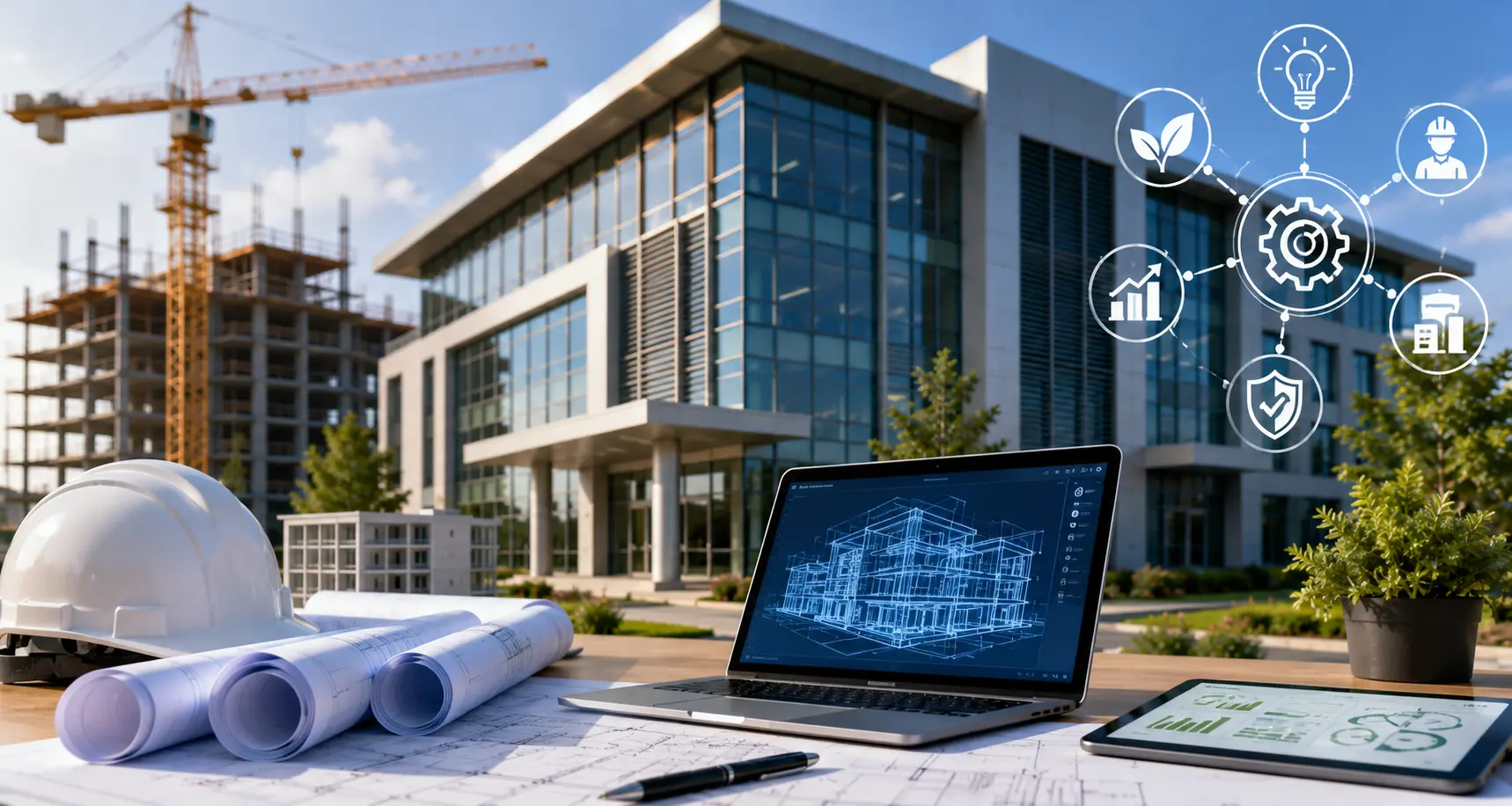
Commercial construction projects today demand more than traditional planning and construction methods. Modern businesses require buildings that are efficient, sustainable, technologically advanced, and designed to meet future operational needs. This is where innovative engineering becomes an essential part of successful commercial development.
From reducing project delays to improving building performance, engineering innovations have transformed the way commercial projects are planned, designed, and executed. Companies that embrace advanced engineering strategies can achieve better cost control, improved safety, higher efficiency, and stronger long-term value.
R&P Consulting Engineers understands the growing demand for smarter engineering solutions and provides comprehensive expertise that supports commercial construction projects from concept through completion.
The Growing Complexity of Commercial Construction
Commercial buildings have become increasingly sophisticated. Modern projects often require integration between mechanical systems, electrical systems, fire protection systems, plumbing infrastructure, sustainability requirements, automation technologies, and local building codes.
These growing complexities create several challenges, including:
- Increased coordination requirements
- Tight construction schedules
- Budget limitations
- Energy efficiency expectations
- Regulatory compliance demands
- Future scalability requirements
Innovative engineering addresses these challenges by introducing smarter planning, better collaboration, and optimized system integration.
Engineering Innovation Begins During Early Project Planning
One of the biggest advantages of innovative engineering is its impact during early project development. Engineering teams no longer wait until construction begins to identify potential problems.
Instead, engineering professionals now use:
Advanced Design Modeling
Modern engineering uses digital modeling and Building Information Modeling (BIM) technologies to create detailed building systems before construction starts.
Benefits include:
- Reduced design conflicts
- Improved coordination between trades
- Better construction sequencing
- More accurate budgeting
- Faster approvals
By identifying conflicts before construction begins, project teams avoid costly changes during later phases.
Collaborative Design Processes
Innovative engineering encourages collaboration between architects, engineers, contractors, and project owners.
This collaborative approach helps:
- Improve communication
- Reduce delays
- Increase design efficiency
- Minimize project risks
R&P Consulting Engineers focuses heavily on collaborative engineering strategies to ensure projects move efficiently from planning through completion.
Optimizing Mechanical Systems for Better Performance
Mechanical systems are among the most critical components of commercial construction projects. HVAC systems directly affect occupant comfort, operational costs, and long-term building efficiency.
Modern mechanical engineering introduces:
Energy Efficient HVAC Design
New engineering approaches improve HVAC performance through:
- High efficiency equipment selection
- Smart controls integration
- Energy recovery systems
- Demand-based ventilation
- Optimized air distribution
Professional Mechanical Engineering Consultants in Millstone Township NJ help commercial property owners design systems that reduce energy consumption while maintaining performance standards.
Smart Building Integration
Today’s mechanical systems can communicate with building automation platforms that provide:
- Real-time monitoring
- Predictive maintenance
- Automated performance optimization
- Energy tracking
- Remote system control
These technologies reduce operational expenses while improving occupant comfort.
Improving Construction Efficiency Through Engineering Coordination
Poor coordination between engineering disciplines often causes construction delays.
Innovative engineering solves this issue through integrated project coordination.
MEP Coordination
Mechanical, electrical, plumbing, and fire protection systems must function together.
Proper coordination helps:
- Reduce installation conflicts
- Improve construction sequencing
- Lower rework costs
- Increase labor efficiency
Experienced engineering teams understand how these systems interact and develop coordinated solutions that simplify construction.
Prefabrication Opportunities
Engineering innovation supports prefabrication and modular construction methods.
Benefits include:
- Faster installation
- Improved quality control
- Reduced labor costs
- Lower project risk
- Shorter schedules
Prefabricated mechanical and electrical assemblies are increasingly common in commercial construction because they improve productivity significantly.
Enhancing Sustainability and Environmental Performance
Sustainability has become a major priority in commercial development.
Innovative engineering contributes by improving:
Energy Efficiency
Modern engineering strategies focus on:
- Reduced energy demand
- High efficiency equipment
- Improved insulation strategies
- Renewable energy integration
- Smart building technologies
Energy-efficient buildings provide lower operational costs and improved long-term asset value.
Water Conservation
Engineering innovations also improve water management through:
- Low flow fixtures
- Efficient plumbing systems
- Water recycling systems
- Smart irrigation controls
Reduced Carbon Footprint
Commercial developers increasingly seek solutions that support sustainability goals.
Engineering teams contribute by:
- Selecting lower impact materials
- Improving energy performance
- Reducing waste
- Supporting certification programs
These improvements benefit both building owners and occupants.
Engineering Improves Safety and Code Compliance
Commercial construction projects must comply with strict building codes and safety regulations.
Innovative engineering reduces compliance risks by improving system design and documentation.
Fire Protection Engineering
Modern fire protection engineering includes:
- Advanced suppression systems
- Fire alarm integration
- Smoke control strategies
- Occupant safety planning
Proper engineering coordination ensures fire protection systems function effectively alongside other building systems.
Risk Reduction
Engineering innovation helps identify risks earlier.
Examples include:
- Structural coordination conflicts
- Equipment access issues
- Capacity limitations
- Emergency system deficiencies
Early detection prevents expensive corrections later.
Faster Project Delivery Through Innovative Engineering
Time is critical in commercial construction.
Engineering innovation helps accelerate delivery through:
Better Documentation
Clear engineering drawings reduce:
- RFIs
- Construction confusion
- Contractor delays
- Change orders
Streamlined Permitting
Detailed engineering documentation often results in:
- Faster reviews
- Fewer corrections
- Improved approval timelines
Improved Construction Sequencing
Engineering teams can help optimize project schedules by identifying dependencies and coordinating installations efficiently.
R&P Consulting Engineers focuses on delivering engineering solutions that support rapid project execution without sacrificing quality.
Technology Is Transforming Commercial Engineering
Modern commercial projects increasingly rely on emerging technologies.
These technologies include:
Building Automation Systems
Smart buildings use automation to control:
- HVAC systems
- Lighting
- Security
- Occupancy management
- Energy consumption
Digital Monitoring
Sensors and monitoring systems provide:
- Real-time performance data
- Maintenance alerts
- Equipment diagnostics
- Energy analytics
Data Driven Decision Making
Engineering teams now use data to improve:
- Equipment selection
- Maintenance planning
- System optimization
- Operational efficiency
Technology allows engineers to create buildings that continue improving long after construction is complete.
Supporting Renovations and Existing Building Upgrades
Innovative engineering is not limited to new construction.
Many commercial projects involve:
- Renovations
- Tenant improvements
- Building expansions
- System replacements
These projects require careful evaluation of existing infrastructure.
Professional Mechanical Engineering Consultants in Millstone Township NJ can assess older systems and develop solutions that integrate modern technologies without disrupting operations.
Engineering upgrades often improve:
- Building efficiency
- Occupant comfort
- Reliability
- Property value
Long-Term Value Created Through Engineering Excellence
Engineering decisions affect buildings for decades.
Well-designed systems create:
Lower Operating Costs
Efficient systems reduce:
- Utility expenses
- Maintenance costs
- Repair frequency
Improved Occupant Satisfaction
Comfortable buildings improve:
- Productivity
- Tenant retention
- User experience
Increased Asset Value
Commercial properties with efficient, modern infrastructure often achieve stronger long-term performance.
This makes engineering investment one of the most valuable decisions during project development.
Why Experience Matters in Commercial Engineering
Technology alone does not guarantee successful projects.
Engineering expertise remains essential.
Experienced engineering firms understand:
- Local codes
- Construction challenges
- System integration
- Project management
- Coordination requirements
R&P Consulting Engineers combines architecture, construction knowledge, and MEP/FP engineering expertise to deliver comprehensive solutions tailored to each project.
Their collaborative approach helps clients navigate projects from planning and approvals through successful construction.
The Future of Commercial Construction Engineering
Commercial construction continues evolving rapidly.
Future engineering trends include:
- Greater automation
- Increased sustainability requirements
- AI-driven building optimization
- Digital twins
- Advanced energy systems
- Greater prefabrication adoption
Engineering firms that embrace innovation will continue creating buildings that are smarter, more efficient, and more valuable.
Businesses that invest in experienced engineering professionals gain a competitive advantage through improved project performance and reduced long-term costs.
Contact Us Today
Innovative engineering has fundamentally changed commercial construction. From better planning and coordination to smarter building systems and faster project delivery, engineering innovation drives project success.
Companies seeking efficient, sustainable, and high-performing commercial buildings benefit significantly from working with experienced professionals who understand both technology and practical construction realities.
Whether developing new commercial spaces, upgrading existing facilities, or planning complex renovations, experienced engineering partners make a measurable difference.
By working with firms like R&P Consulting Engineers, project owners gain access to advanced engineering expertise that improves quality, reduces risk, and supports long-term building performance.
For businesses seeking reliable Mechanical Engineering Consultants in Millstone Township NJ, choosing experienced professionals can help transform complex construction challenges into successful project outcomes.