
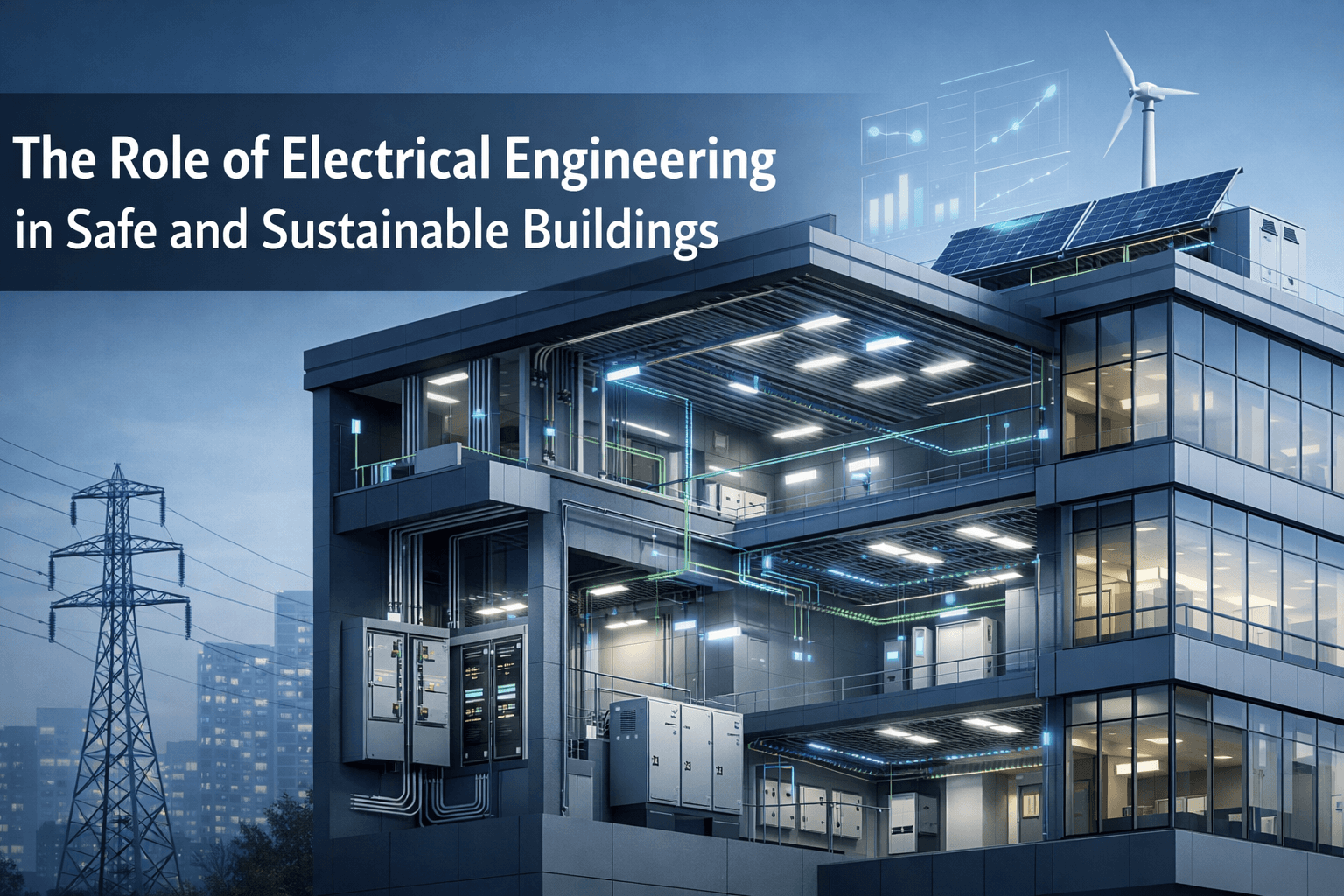
The Role of Electrical Engineering in Safe and Sustainable Buildings
Modern buildings are far more complex than traditional structures. From commercial offices and healthcare facilities to retail spaces and residential developments, today’s buildings depend heavily on reliable electrical systems to operate safely and efficiently. Electrical engineering plays a vital role in designing and maintaining the power infrastructure that supports lighting, safety systems, communication networks, and energy management technologies.
Electrical engineering in building design is not only about supplying electricity; it is also about creating systems that ensure safety, efficiency, sustainability, and long-term performance. A well-designed electrical system ensures uninterrupted power distribution, protects occupants from hazards, and supports advanced technologies that make buildings smarter and more energy-efficient.
Professional engineering firms like R&P Consulting Engineers specialize in developing integrated electrical systems that meet the demands of modern construction projects. Through innovative design and careful planning, electrical engineers contribute significantly to the creation of safe, sustainable, and high-performing buildings.
This blog explores the essential role electrical engineering plays in building safety, energy efficiency, sustainability, and long-term operational success.
Understanding Electrical Engineering in Building Design
Electrical engineering in construction involves the design, planning, and implementation of electrical systems that power a building and support its daily operations. These systems must be carefully designed to meet the specific needs of each structure while complying with safety codes and energy regulations.
Key electrical systems in buildings include:
- Power distribution systems
- Lighting design and control systems
- Emergency power systems
- Fire alarm and safety systems
- Data and communication networks
- Renewable energy integration
Each of these components must function together seamlessly to ensure the building operates safely and efficiently. Electrical engineers analyze the building’s energy requirements and design systems that can support current and future demands.
Engineering firms like R&P Consulting Engineers take a comprehensive approach by integrating electrical systems with mechanical, plumbing, and fire protection systems to create fully coordinated building designs.
Ensuring Safety Through Electrical Engineering
Safety is one of the most important responsibilities of electrical engineering in building construction. Electrical systems must be designed to prevent hazards such as electrical fires, power failures, and equipment damage.
Professional electrical engineers implement multiple safety measures, including:
- Proper circuit protection
- Grounding and bonding systems
- Emergency lighting systems
- Backup power solutions
- Fire alarm and detection systems
These systems help protect building occupants, equipment, and infrastructure from potential electrical risks.
Engineering firms that provide electrical engineering services in New Jersey play a critical role in ensuring buildings meet safety standards while minimizing risks associated with electrical failures.
Through careful system design and compliance with industry regulations, R&P Consulting Engineers ensures that buildings are equipped with reliable electrical infrastructure that prioritizes safety.
Supporting Energy Efficiency and Sustainability
Energy efficiency has become a major priority in modern construction. Buildings account for a significant portion of global energy consumption, making efficient electrical system design essential for reducing environmental impact.
Electrical engineers develop strategies to minimize energy usage while maintaining optimal building performance. These strategies may include:
- Energy-efficient lighting systems
- Automated lighting controls
- Smart energy management systems
- Integration of renewable energy sources
- Load management and energy monitoring technologies
These technologies allow building owners to track energy usage and make adjustments that improve efficiency and reduce operational costs.
Firms offering electrical engineering services in New Jersey help developers implement energy-efficient electrical systems that align with sustainability goals and environmental standards.
With their expertise in innovative electrical design, R&P Consulting Engineers supports projects that prioritize sustainability while maintaining reliability and performance.
Enhancing Lighting Design and Building Functionality
Lighting is a critical aspect of building design that directly impacts productivity, comfort, and safety. Electrical engineers design lighting systems that balance functionality, efficiency, and aesthetics.
Proper lighting design ensures that buildings provide adequate illumination for different activities while minimizing energy consumption. Advanced lighting systems may include features such as:
- LED lighting technology
- Automated lighting controls
- Daylight harvesting systems
- Occupancy sensors
These solutions help reduce electricity usage while improving the quality of indoor environments.
Professional electrical engineers carefully analyze building layouts, occupancy patterns, and lighting requirements to develop solutions that enhance both performance and efficiency.
By delivering innovative lighting design strategies, R&P Consulting Engineers helps commercial buildings achieve energy-efficient and visually appealing lighting systems.
Integrating Smart Building Technologies
Modern buildings increasingly rely on smart technologies that improve efficiency, automation, and security. Electrical engineering plays a central role in integrating these advanced systems into building infrastructure.
Smart building systems may include:
- Automated energy management systems
- Intelligent lighting and climate controls
- Building security and surveillance systems
- Smart communication networks
- Internet of Things (IoT) technologies
These technologies allow building owners to monitor and control building systems in real time, leading to improved efficiency and lower operational costs.
Companies providing electrical engineering services in New Jersey help developers implement smart infrastructure that enhances building functionality and future readiness.
Through integrated electrical system design, R&P Consulting Engineers supports modern construction projects that incorporate innovative technologies and automation solutions.
Supporting Emergency and Backup Power Systems
Power reliability is essential for many types of buildings, particularly hospitals, data centers, and commercial facilities that depend on continuous operations. Electrical engineers design emergency power systems that ensure buildings remain operational during power outages.
These systems may include:
- Backup generators
- Uninterruptible power supply (UPS) systems
- Emergency lighting systems
- Redundant power distribution networks
Emergency power systems are critical for maintaining safety, protecting sensitive equipment, and preventing business interruptions.
Experienced engineering firms like R&P Consulting Engineers design robust electrical infrastructure that ensures buildings are prepared for unexpected power disruptions.
Meeting Building Codes and Regulatory Requirements
Electrical systems must comply with strict building codes and safety regulations. These codes ensure that buildings are designed and constructed in ways that protect occupants and infrastructure.
Electrical engineers must ensure compliance with standards related to:
- Electrical load capacity
- Fire safety systems
- Energy efficiency requirements
- Emergency power systems
- Equipment installation standards
Failure to meet these requirements can result in construction delays, legal issues, and increased project costs.
Firms offering electrical engineering services in New Jersey help developers navigate complex regulatory requirements and ensure that electrical systems meet all applicable codes.
With extensive experience in regulatory compliance, R&P Consulting Engineers helps construction projects move forward smoothly while meeting safety and performance standards.
Supporting Sustainable Building Certifications
Many commercial buildings today aim to achieve green building certifications that demonstrate their commitment to sustainability and environmental responsibility. Electrical engineering plays a key role in achieving these certifications by implementing energy-efficient technologies.
Electrical engineers design systems that support sustainable building strategies such as:
- Solar power integration
- Energy-efficient lighting
- Smart energy monitoring systems
- Electric vehicle charging infrastructure
- Renewable energy systems
These solutions reduce energy consumption and contribute to environmentally responsible building operations.
Engineering firms like R&P Consulting Engineers work closely with architects and developers to incorporate sustainable electrical solutions that support long-term environmental goals.
Coordinating Electrical Systems With Other Engineering Disciplines
Electrical engineering is closely connected with other engineering disciplines, including mechanical, plumbing, and fire protection engineering. Successful building design requires collaboration between these different systems to ensure efficient and coordinated performance.
For example:
- HVAC systems rely on electrical power and control systems
- Fire protection systems require electrical detection and alarm systems
- Building automation systems integrate multiple mechanical and electrical components
Electrical engineers must coordinate closely with other design professionals to ensure all building systems work together seamlessly.
By offering integrated engineering solutions, R&P Consulting Engineers ensures that electrical systems are fully aligned with the building’s overall infrastructure.
Reducing Long-Term Maintenance and Operational Costs
Well-designed electrical systems can significantly reduce maintenance costs and improve long-term building performance. Poor electrical design may lead to frequent system failures, higher energy costs, and expensive repairs.
Professional electrical engineering design focuses on:
- Reliable system performance
- Efficient energy distribution
- Easy system maintenance
- Long equipment lifespan
These factors contribute to lower operational costs and improved building reliability over time.
Organizations seeking professional electrical engineering services in New Jersey benefit from engineering solutions that prioritize efficiency, durability, and long-term value.
Through careful planning and design, R&P Consulting Engineers helps building owners avoid costly issues and maintain efficient electrical infrastructure.
Preparing Buildings for Future Technology
Technology continues to evolve rapidly, and buildings must be designed to accommodate future advancements. Electrical engineers play a key role in ensuring that electrical infrastructure can support emerging technologies and increasing power demands.
Future-ready electrical systems may include:
- Infrastructure for electric vehicle charging
- Smart grid integration
- Advanced communication networks
- Renewable energy systems
- Expanded electrical capacity for future upgrades
By designing flexible and scalable systems, engineering firms help buildings remain adaptable as technology evolves.
With forward-thinking design strategies, R&P Consulting Engineers ensures that buildings are prepared to support future technological innovations.
The Importance of Professional Electrical Engineering Expertise
Electrical engineering design requires specialized knowledge and experience with complex systems. Professional engineers bring technical expertise, industry knowledge, and regulatory understanding that ensure buildings are designed safely and efficiently.
Working with experienced engineering firms provides several advantages:
- Reliable system performance
- Compliance with safety standards
- Energy-efficient design strategies
- Integrated building system coordination
- Long-term operational efficiency
By partnering with experts like R&P Consulting Engineers, developers gain access to comprehensive engineering solutions that support successful construction projects.
Conclusion
Electrical engineering plays a vital role in the development of safe, efficient, and sustainable buildings. From powering essential systems to supporting advanced technologies and energy management solutions, electrical engineers ensure that buildings operate reliably and meet modern performance standards.
As construction projects become more complex, the need for professional electrical engineering expertise continues to grow. Proper electrical system design not only enhances safety and efficiency but also contributes to long-term sustainability and operational success.
Through innovative engineering strategies and integrated system design, R&P Consulting Engineers helps developers create buildings that meet the highest standards of safety, reliability, and energy efficiency.
For organizations seeking professional electrical engineering services in New Jersey, working with experienced engineers ensures that electrical systems are designed to support modern building demands while preparing for the future.