
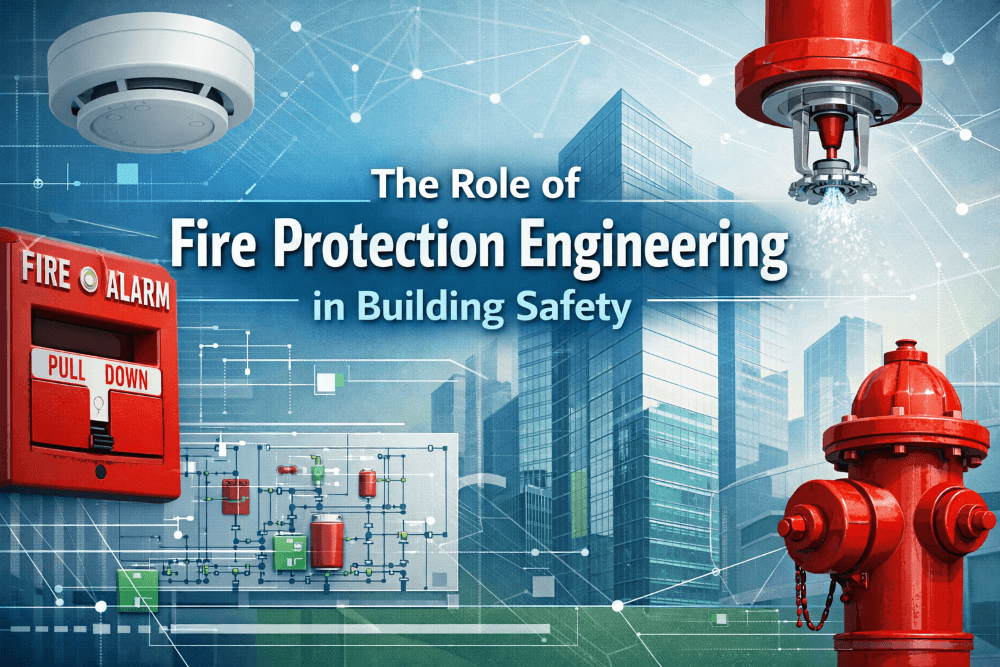
The Role of Fire Protection Engineering in Building Safety
In the rapidly evolving construction and building industry, safety has become a cornerstone of modern design and development. Among all the disciplines that contribute to building safety, fire protection engineering plays an especially critical role. From ensuring occupant safety to protecting assets and meeting regulatory requirements, fire protection engineering is an essential component of any building project.
At R&P Consulting Engineers, we specialize in providing state-of-the-art fire protection engineering near Millstone Township NJ, helping clients design and implement systems that prevent, detect, and mitigate the effects of fire. Our comprehensive approach blends mechanical, electrical, plumbing, and fire protection (MEP/FP) expertise to deliver safe, efficient, and compliant solutions for residential , commercial, and medical facilities.
Understanding Fire Protection Engineering
Fire protection engineering is a specialized discipline that focuses on minimizing the risk and impact of fire within buildings. It integrates knowledge of fire dynamics, materials, building codes, and human behavior to create systems that detect, suppress, and control fire hazards. Unlike general safety measures, fire protection engineering is proactive, aiming to prevent fire incidents before they occur while preparing effective responses in case of emergencies.
The scope of fire protection engineering includes:
- Designing fire detection and alarm systems
- Planning fire suppression systems like sprinklers and hydrants
- Evaluating building materials for fire resistance
- Developing emergency evacuation plans
- Coordinating with mechanical, electrical, and plumbing systems for integrated safety
By incorporating these measures, engineers ensure that modern buildings remain safe for occupants and compliant with local regulations. At R&P Consulting Engineers, our team brings decades of experience to every project, delivering customized solutions that prioritize safety, efficiency, and sustainability.
Why Fire Protection Engineering Matters in Modern Buildings
Modern buildings are more complex than ever. Skyscrapers, hospitals, commercial complexes, and multi-use facilities contain a dense network of mechanical, electrical, and plumbing systems. These buildings also house sophisticated technology, expensive equipment, and high numbers of occupants. In such environments, even a small fire can escalate quickly, causing significant damage, financial loss, or loss of life.
Fire protection engineering ensures that all potential risks are addressed, providing multiple layers of defense. The benefits include:
- Enhanced Safety: Properly designed fire systems protect occupants and reduce the likelihood of injury or fatalities.
- Asset Protection: Fire suppression systems safeguard valuable equipment and building infrastructure.
- Regulatory Compliance: Adhering to fire codes and standards avoids legal issues and ensures project approvals.
- Operational Continuity: Effective fire protection minimizes downtime and allows businesses to resume operations faster after an incident.
With these advantages, it’s clear that fire protection engineering is not merely an optional service but a fundamental requirement for building design. Our fire protection engineering near Millstone Township NJ ensures that clients achieve the highest standards of safety and performance.
Components of Modern Fire Protection Systems
Fire protection engineering involves designing and integrating multiple systems to prevent and respond to fires. These systems can be broadly categorized into active and passive fire protection measures.
1. Active Fire Protection
Active fire protection systems are designed to detect, alert, and actively suppress fire incidents. These include:
- Fire Alarm Systems: Early detection is crucial. Fire alarms, smoke detectors, and notification systems alert occupants and authorities promptly. Our engineers design fire alarm systems that integrate with building automation and emergency response protocols.
- Sprinkler and Suppression Systems: Sprinklers, hydrants, and specialized suppression systems (such as foam or gas-based systems) are essential for controlling fire spread. We ensure that suppression systems are strategically positioned and adequately sized to cover all building areas.
- Emergency Lighting and Evacuation Systems: Proper signage, emergency lighting, and evacuation pathways guide occupants safely during emergencies. These systems are designed with redundancy to function even during power outages.
2. Passive Fire Protection
Passive fire protection focuses on containing fires and preventing structural damage without active intervention. This includes:
- Fire-Resistant Materials: Walls, floors, doors, and ceilings can be treated or constructed with fire-resistant materials to delay fire spread.
- Compartmentalization: Dividing buildings into fire-resistant sections helps contain fires and limit damage to other areas.
- Smoke Control Systems: Ventilation and smoke extraction systems prevent smoke from spreading and reduce hazards to occupants.
At R&P Consulting Engineers, we combine active and passive strategies to create comprehensive fire protection solutions tailored to each building’s design, function, and risk profile.
Integrating Fire Protection with MEP Systems
One of the most critical aspects of fire protection engineering is its integration with mechanical, electrical, and plumbing (MEP) systems. Proper coordination ensures that fire protection systems do not conflict with other building operations and that emergency systems function reliably during critical moments.
For example:
- Mechanical Integration: HVAC systems must be designed to prevent the spread of smoke and fire while maintaining ventilation during emergencies.
- Electrical Integration: Power supply systems must support fire alarms, emergency lighting, and sprinkler pumps even during outages.
- Plumbing Integration: Water supply for sprinklers and hydrants must be reliable and adequately pressurized to function effectively.
By coordinating with MEP systems, R&P Consulting Engineers delivers fire protection engineering solutions that are robust, reliable, and fully compliant with modern building standards.
Fire Protection for Specialized Facilities
Certain buildings, such as healthcare facilities, data centers, and laboratories, require specialized fire protection measures. For instance:
- Medical Facilities: Hospitals need systems that protect both patients and sensitive medical equipment. This includes oxygen safety management, specialized suppression systems, and controlled evacuation strategies.
- Data Centers: Protecting servers and critical IT infrastructure requires advanced fire suppression technologies, often using gas-based or clean agent systems to prevent water damage.
- Industrial and Commercial Buildings: Factories and commercial spaces with combustible materials require tailored fire protection strategies to address unique risks.
R&P Consulting Engineers has extensive experience designing specialized fire protection systems for various industries , ensuring that every building receives a solution suited to its unique requirements.
Compliance with Codes and Standards
Fire protection engineering is heavily regulated. Compliance with local, state, and national fire codes is mandatory for both safety and legal approval. Our team stays up-to-date with standards such as:
- National Fire Protection Association (NFPA) codes
- International Building Code (IBC)
- Local municipal fire regulations
By following these codes, R&P Consulting Engineers ensures that all systems are compliant and capable of passing rigorous inspections, protecting both occupants and investors.
Advantages of Hiring Expert Fire Protection Engineers
Selecting a professional engineering firm for fire protection design is essential for several reasons:
- Expertise and Experience: Knowledge of fire dynamics, materials, and safety protocols ensures that systems are effective and reliable.
- Customized Solutions: Every building has unique challenges; experts provide tailored solutions rather than generic systems.
- Long-Term Savings: Properly designed fire systems reduce insurance premiums, maintenance costs, and potential fire damage expenses.
- Peace of Mind: Building owners, occupants, and investors can rest assured knowing that the property is safeguarded against fire hazards.
With our proven track record in providing fire protection engineering near Millstone Township NJ, R&P Consulting Engineers is a trusted partner for safe and compliant building projects.
Real-World Applications and Case Studies
Over the years, R&P Consulting Engineers has successfully implemented fire protection solutions for a diverse range of projects, including:
- Commercial Office Buildings: Integrated fire alarms, sprinklers, and smoke control systems that meet NFPA standards.
- Healthcare Facilities: Specialized medical gas and suppression systems for hospitals and clinics.
- Residential Complexes: Fire-rated materials, alarms, and emergency systems to ensure resident safety.
- Industrial Facilities: High-capacity suppression systems and hazard mitigation strategies for manufacturing sites.
These projects demonstrate our ability to design fire protection systems that are not only code-compliant but also practical, cost-effective, and efficient.
Emerging Trends in Fire Protection Engineering
The field of fire protection is continually evolving, and staying ahead of trends is vital for delivering cutting-edge solutions. Current innovations include:
- Smart Fire Detection: IoT-enabled sensors and automated monitoring systems that provide real-time alerts and predictive maintenance.
- Green Fire Suppression Systems: Eco-friendly suppression agents and water-efficient sprinkler designs.
- BIM Integration: Using Building Information Modeling (BIM) to plan and visualize fire protection systems in complex structures.
- Performance-Based Design: Moving beyond prescriptive codes to performance-based strategies tailored to specific building risks.
By adopting these innovations, R&P Consulting Engineers ensures that clients benefit from modern, high-performing fire protection systems that meet both current and future safety standards.
Testimonials from Satisfied Clients
Our dedication to safety and excellence is reflected in client feedback:
- “Annetta and her team at R&P Consulting Engineers provided outstanding fire protection engineering for our new medical office. The attention to detail and professional approach exceeded our expectations.” – Tej Chak
- “From planning to execution, R&P’s fire protection solutions were reliable, efficient, and fully compliant. I highly recommend their services.” – Matt Zahora
- “Working with R&P Consulting Engineers for fire safety in our commercial building was a smooth experience. Their expertise and responsiveness are unmatched.” – Milana Salon
These testimonials highlight our commitment to delivering innovative, client-focused fire protection engineering services.
Conclusion
Fire protection engineering is more than just a regulatory requirement—it is a critical component of modern building safety. By integrating fire detection, suppression, and prevention systems with mechanical, electrical, and plumbing networks, engineers ensure that buildings are safe, efficient, and resilient.
R&P Consulting Engineers provides expert fire protection engineering near Millstone Township NJ, offering comprehensive solutions for commercial, residential, healthcare, and industrial projects. Our team combines experience, innovation, and a client-focused approach to deliver systems that protect occupants, assets, and investments. From early design to final implementation, we transform complex fire protection challenges into safe, effective, and sustainable solutions.
For property owners and developers seeking reliable fire protection expertise, R&P Consulting Engineers is the trusted partner for creating safer, smarter buildings. Contact us today to learn how our fire protection engineering services can enhance the safety and performance of your next project.