Why Plumbing Engineering is Critical in Large-Scale Developments
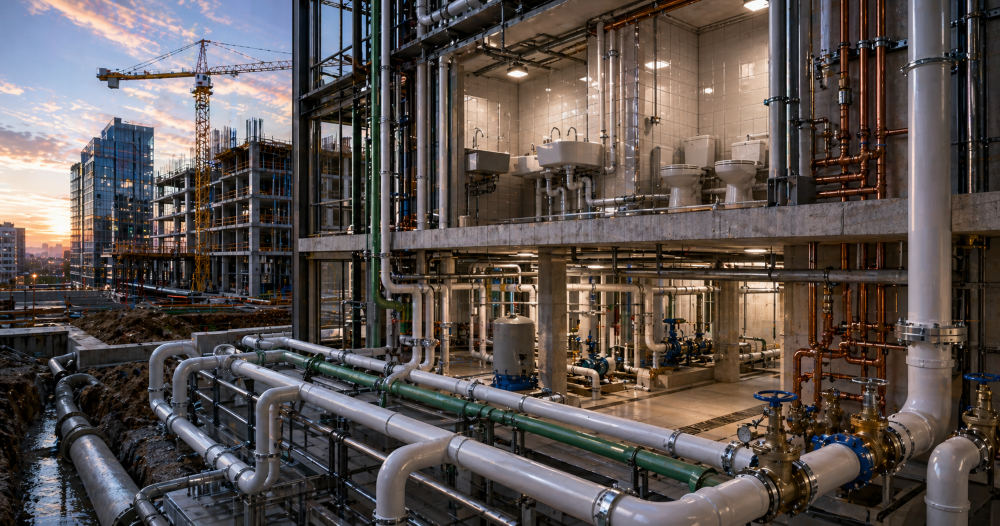
Plumbing engineering is one of the most essential yet often underappreciated components of large-scale construction projects. From high-rise commercial towers and hospitals to industrial facilities and mixed-use developments, plumbing systems ensure the safe and efficient distribution of water, waste removal, drainage, and specialized fluid systems.
Without properly designed plumbing infrastructure, even the most advanced buildings fail to operate efficiently. Poor plumbing design can lead to water pressure issues, contamination risks, system failures, and costly maintenance problems.
This is where expert engineering becomes essential. Firms like R&P Consulting Engineers play a vital role in designing and integrating high-performance plumbing systems that meet safety standards, sustainability goals, and long-term operational needs.
In this blog, we explore why plumbing engineering is critical in large-scale developments and how professional expertise, including plumbing engineering consultants in Millstone Township NJ, ensures project success from concept to completion.
Understanding Plumbing Engineering in Modern Construction
Plumbing engineering involves the design, installation, and maintenance planning of water supply systems, drainage systems, stormwater management, and specialized piping networks within buildings.
In large-scale developments, plumbing systems are far more complex than simple water lines. They include:
- Domestic water supply systems
- Hot and cold water distribution
- Sanitary drainage systems
- Stormwater management systems
- Fire suppression support systems
- Medical gas systems (in healthcare facilities)
- Industrial fluid systems
Each system must be carefully engineered to ensure safety, efficiency, and compliance with building codes.
Why Plumbing Engineering is Essential in Large Developments
Large-scale projects present unique challenges that require advanced engineering expertise. Plumbing systems must handle high demand, complex layouts, and continuous usage without failure.
1. Ensuring Reliable Water Supply
In large buildings, multiple floors and thousands of occupants depend on a consistent water supply. Plumbing engineers design systems that maintain:
- Stable water pressure
- Balanced distribution across floors
- Backup systems for peak demand
Without proper engineering, upper floors may experience low pressure or inconsistent supply.
2.Efficient Wastewater Management
Large developments generate significant wastewater that must be safely removed without contamination or blockage. Plumbing systems ensure:
- Smooth drainage flow
- Proper pipe sizing and slope
- Prevention of backflow and contamination
Poor drainage design can lead to serious hygiene and structural issues.
3.Health and Safety Compliance
Plumbing systems must comply with strict health and building codes. These regulations ensure safe drinking water, proper sanitation, and environmental protection.
Non-compliance can result in:
- Health hazards
- Legal penalties
- Project delays
- Costly redesigns
Professional expertise from plumbing engineering consultants in Millstone Township NJ ensures full compliance with all regulations.
4.Supporting Fire Protection Systems
Plumbing engineering is closely linked to fire protection systems. Sprinkler systems, fire hydrants, and emergency water supplies depend on properly designed plumbing infrastructure.
Integration between plumbing and fire protection systems ensures:
- Adequate water pressure during emergencies
- Reliable sprinkler activation
- Code-compliant fire suppression systems
- Sustainability and Water Efficiency
Modern developments focus heavily on sustainability. Plumbing engineers help reduce water consumption through:
- Low-flow fixtures
- Greywater recycling systems
- Rainwater harvesting systems
- Efficient piping layouts
These systems reduce environmental impact and operational costs.
The Role of Plumbing Engineering in MEP Systems
Plumbing is a critical part of the MEP (Mechanical, Electrical, and Plumbing) framework. It must work seamlessly with other building systems.
For example:
- HVAC systems require condensate drainage
- Electrical rooms need cooling and drainage considerations
- Fire protection systems rely on water supply integration
Without proper coordination, system conflicts can arise, leading to inefficiency and operational issues.
This is why expertise from plumbing engineering consultants in Millstone Township NJ is essential in complex construction projects.
Challenges in Large-Scale Plumbing Design
Large developments present several engineering challenges that must be addressed early in the design process.
1. High Water Demand
Buildings such as hotels, hospitals, and commercial towers require massive water supply systems that can handle peak usage without failure.
2.Complex Vertical Distribution
Multi-story buildings require pressure zoning and booster pump systems to ensure consistent water flow to all levels.
3.Space Constraints
Plumbing systems must be designed within limited mechanical spaces while avoiding conflicts with structural and electrical systems.
4.System Maintenance Access
Engineers must ensure that plumbing systems are accessible for maintenance without disrupting building operations.
5.Regulatory Compliance
Each region has strict plumbing codes that must be followed to ensure safety and functionality.
Modern Innovations in Plumbing Engineering
Plumbing engineering has evolved significantly with advancements in technology and sustainability practices.
Smart Water Management Systems
Modern buildings use sensors and automation to monitor water usage, detect leaks, and optimize distribution.
Sustainable Plumbing Solutions
Eco-friendly systems include:
- Water recycling systems
- Rainwater harvesting
- Energy-efficient water heating systems
Advanced Leak Detection Systems
Smart sensors can detect leaks in real-time, preventing water damage and reducing maintenance costs.
Digital Design and BIM Integration
Building Information Modeling (BIM) allows engineers to design plumbing systems digitally, reducing errors and improving coordination.
Importance of Professional Plumbing Engineering Consultants
Large-scale developments cannot rely on generic plumbing design. They require specialized engineering expertise to ensure efficiency and compliance.
Working with experienced professionals ensures:
- Accurate system design
- Optimized water usage
- Reduced operational costs
- Improved system longevity
- Full code compliance
This is why developers rely on plumbing engineering consultants in Millstone Township NJ for high-quality engineering solutions.
R&P Consulting Engineers: Excellence in Plumbing Engineering
In complex construction environments, precision and coordination are critical. R&P Consulting Engineers provides advanced plumbing engineering solutions designed for large-scale developments.
Their services include:
- Domestic water system design
- Sanitary and stormwater drainage engineering
- Hydraulic load calculations
- Plumbing system integration with MEP
- Code compliance and documentation
- Construction support and inspections
With deep expertise in MEP/FP engineering, R&P Consulting Engineers ensures that plumbing systems are safe, efficient, and fully integrated into building designs.
Their approach focuses on:
- Strong collaboration with architects and contractors
- Rapid response and project adaptability
- Cost-effective engineering solutions
- High-quality technical documentation
- Long-term system performance
This ensures that every project is delivered with precision and reliability.
Plumbing Engineering in Different Types of Large-Scale Projects
Plumbing requirements vary depending on the type of development.
Commercial Buildings
Require:
- High-capacity water distribution
- Restroom plumbing systems
- HVAC drainage integration
Residential High-Rises
Require:
- Pressure zoning systems
- Hot water distribution networks
- Efficient waste management systems
Healthcare Facilities
Require:
- Medical gas systems
- Sterile water supply systems
- Emergency backup plumbing systems
Industrial Facilities
Require:
- Process water systems
- Chemical-resistant piping
- Heavy-duty drainage systems
Each of these requires specialized expertise from professionals like R&P Consulting Engineers.
Sustainability in Plumbing Engineering
Sustainability is now a core requirement in modern construction.
Plumbing engineering contributes by:
- Reducing water waste
- Implementing recycling systems
- Using energy-efficient heating systems
- Minimizing environmental impact
Sustainable plumbing design supports green building certifications such as LEED and improves long-term operational efficiency.
Future of Plumbing Engineering
The future of plumbing engineering is driven by automation, sustainability, and smart technology.
Emerging trends include:
- AI-driven water management systems
- Fully automated leak detection
- Smart building integration systems
- Net-zero water consumption buildings
- Advanced digital twin modeling
These innovations will make plumbing systems more efficient, intelligent, and environmentally friendly.
Conclusion
Plumbing engineering is a critical component of large-scale developments. It ensures reliable water supply, efficient waste management, regulatory compliance, and seamless integration with other building systems. Without proper engineering, buildings face serious operational and safety risks.
Expertise from firms like R&P Consulting Engineers and specialized plumbing engineering consultants in Millstone Township NJ ensures that complex plumbing systems are designed with precision, efficiency, and long-term reliability in mind.
As construction projects continue to grow in scale and complexity, plumbing engineering will remain a fundamental discipline—ensuring that modern buildings function safely, efficiently, and sustainably for years to come.