The Future of Sustainable Commercial Building Engineering
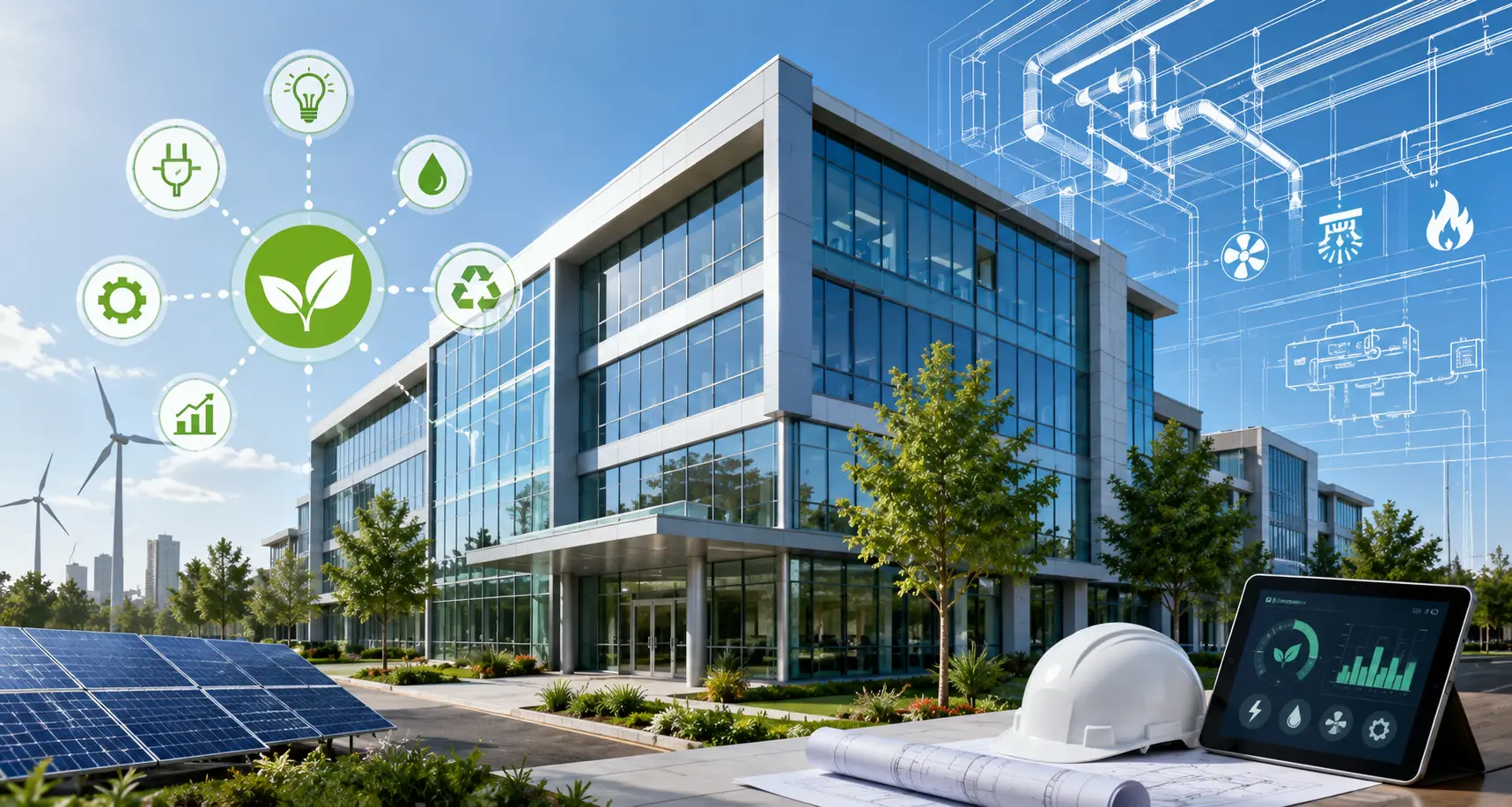
Sustainability is no longer a trend in commercial construction—it has become a necessity. As cities grow, energy demands rise, and environmental regulations become more stringent, the future of commercial building engineering is increasingly centered around sustainable practices. Building owners, developers, and investors now seek smarter solutions that reduce operating costs, improve efficiency, and create healthier spaces for occupants.
R&P Consulting Engineers understands that modern commercial projects require innovative engineering strategies that balance performance, sustainability, and long-term value. Through advanced MEP/FP engineering solutions, sustainable commercial building engineering is transforming the way businesses design, construct, and operate their facilities.
Understanding Sustainable Commercial Building Engineering
Sustainable commercial building engineering focuses on creating structures that minimize environmental impact while maximizing performance, comfort, and operational efficiency. This approach involves integrating mechanical, electrical, plumbing, and fire protection systems that work together to optimize resource consumption.
Modern sustainable engineering prioritizes:
- Reduced energy consumption
- Lower carbon emissions
- Efficient water usage
- Enhanced indoor environmental quality
- Long-term operational savings
- Improved occupant health and comfort
Commercial buildings consume significant amounts of energy worldwide, making engineering decisions increasingly important for future development.
Why Sustainability Is Driving Commercial Engineering Forward
Several factors are accelerating the shift toward sustainable commercial building engineering.
Rising Energy Costs
Energy prices continue to increase, forcing businesses to find ways to reduce consumption. Efficient engineering systems help organizations lower utility expenses while maintaining operational performance.
Stricter Building Regulations
Building codes increasingly require higher efficiency standards. Sustainable engineering ensures compliance while preparing buildings for future regulations.
Environmental Responsibility
Businesses increasingly prioritize sustainability goals. Modern engineering solutions help organizations reduce their environmental footprint while supporting corporate responsibility initiatives.
Tenant Expectations
Commercial tenants now expect energy-efficient buildings with better air quality, comfortable environments, and reduced operating expenses.
Smart Electrical Systems Are Reshaping Commercial Buildings
Electrical engineering plays one of the largest roles in sustainable construction. Future-ready buildings require intelligent electrical infrastructure capable of supporting changing technologies.
Modern sustainable electrical systems include:
Energy-Efficient Lighting Systems
LED lighting technology dramatically reduces electricity usage while improving lighting quality. Smart sensors and automation systems further optimize performance by reducing unnecessary consumption.
Intelligent Building Controls
Automated building management systems monitor and adjust lighting, HVAC operations, occupancy patterns, and energy usage in real time.
Renewable Energy Integration
Solar panels, battery storage systems, and microgrids are becoming common features in commercial developments. Proper electrical infrastructure enables seamless integration.
Electric Vehicle Infrastructure
As EV adoption grows, commercial facilities increasingly require charging stations and supporting electrical capacity planning.
Many developers now seek Electrical Engineering Consultants in Millstone Township NJ to design systems capable of supporting future expansion and sustainability requirements.
Mechanical Systems Are Becoming Smarter and More Efficient
HVAC systems represent one of the largest energy consumers in commercial buildings. Future sustainable engineering relies heavily on advanced mechanical design.
High-Efficiency HVAC Systems
Modern systems consume less energy while improving occupant comfort.
Examples include:
- Variable refrigerant flow systems
- Energy recovery ventilation
- High-efficiency chillers
- Smart temperature controls
Indoor Air Quality Improvements
Health and wellness have become major priorities in commercial buildings. Better filtration, ventilation, and humidity control improve occupant satisfaction and productivity.
Predictive Maintenance Technology
Sensors and AI-driven monitoring allow mechanical systems to detect problems before failures occur, reducing downtime and repair costs.
At R&P Consulting Engineers, mechanical system design focuses on creating solutions that maximize performance while reducing lifecycle costs.
Water Conservation Is Becoming Essential
Commercial developments increasingly incorporate advanced plumbing engineering to reduce water consumption.
Sustainable plumbing solutions include:
Low-Flow Fixtures
Modern fixtures significantly reduce water usage without compromising performance.
Rainwater Harvesting
Captured rainwater can support irrigation, cooling systems, and non-potable applications.
Greywater Recycling
Reusing wastewater reduces overall consumption and improves efficiency.
Smart Water Monitoring
Advanced sensors identify leaks, track usage patterns, and reduce waste.
Water conservation engineering not only lowers utility costs but also contributes to environmental sustainability goals.
Fire Protection Engineering Is Evolving Alongside Sustainability
Sustainable buildings must remain safe while reducing resource consumption.
Future fire protection engineering focuses on:
- Efficient fire suppression systems
- Reduced water consumption
- Smart monitoring systems
- Advanced alarm integration
- Improved code compliance strategies
R&P Consulting Engineers combines fire protection expertise with broader MEP engineering strategies to create safer commercial environments.
Building Information Modeling (BIM) Is Transforming Engineering
Technology continues changing how commercial buildings are designed.
Building Information Modeling provides:
Better Collaboration
Architects, engineers, contractors, and owners work within integrated digital environments.
Reduced Construction Errors
Clash detection minimizes costly field conflicts.
Improved Efficiency
Design optimization occurs earlier in project development.
Lifecycle Management
Digital models continue supporting operations long after construction finishes.
The future of sustainable engineering increasingly relies upon digital collaboration tools.
Artificial Intelligence and Data Analytics Will Shape Future Buildings
Artificial intelligence is becoming increasingly important in commercial engineering.
AI enables:
- Predictive maintenance
- Energy optimization
- Occupancy analysis
- Automated controls
- Equipment performance monitoring
Buildings are becoming dynamic systems capable of adapting to changing conditions automatically.
This shift allows engineers to create facilities that continuously optimize performance rather than relying solely on static designs.
Net-Zero Buildings Are Becoming More Common
Net-zero buildings generate as much energy as they consume.
Achieving this requires:
- Efficient building envelopes
- Renewable energy systems
- Advanced HVAC design
- Intelligent controls
- Optimized electrical infrastructure
Developers increasingly pursue net-zero goals to reduce operating expenses and meet sustainability commitments.
Many organizations searching for Electrical Engineering Consultants in Millstone Township NJ seek expertise specifically related to achieving higher sustainability targets.
The Importance of Integrated MEP Engineering
Sustainability cannot be achieved through isolated engineering disciplines.
Successful commercial projects require integration between:
- Mechanical engineering
- Electrical engineering
- Plumbing systems
- Fire protection systems
- Architectural design
- Construction planning
Integrated engineering delivers:
Improved Efficiency
Systems work together rather than competing against one another.
Lower Construction Costs
Coordination reduces rework and design conflicts.
Better Long-Term Performance
Buildings operate more efficiently throughout their lifecycle.
R&P Consulting Engineers emphasizes integrated MEP/FP engineering because sustainable outcomes require coordination from the earliest design phases.
Sustainability Provides Financial Advantages
Some developers still believe sustainable engineering increases costs. In reality, sustainable design often delivers significant financial benefits.
Advantages include:
Lower Utility Costs
Reduced energy and water consumption lower operational expenses.
Increased Property Value
Efficient buildings often command higher lease rates and property values.
Reduced Maintenance Costs
Advanced monitoring reduces equipment failures.
Higher Occupancy Rates
Tenants increasingly prefer sustainable facilities.
Long-term operational savings frequently offset higher initial investments.
Challenges Facing Sustainable Commercial Engineering
Despite its advantages, sustainable engineering still faces challenges.
Initial Investment Costs
Some advanced systems require larger upfront expenditures.
Rapid Technology Changes
Engineers must continuously adapt to new technologies.
Workforce Training
Construction teams require specialized knowledge.
Regulatory Complexity
Building codes continue evolving rapidly.
Experienced firms such as R&P Consulting Engineers help navigate these challenges through practical, cost-effective engineering strategies.
What Developers Should Consider for Future Projects
Organizations planning commercial developments should consider sustainability from project inception.
Questions to ask include:
- What efficiency targets should the building achieve?
- How flexible should future infrastructure be?
- What technologies may become necessary later?
- How can operational expenses be reduced?
- What sustainability certifications are desired?
Early planning significantly improves project outcomes.
Why Engineering Expertise Matters More Than Ever
Commercial buildings continue becoming more sophisticated.
Engineering teams now influence:
- Energy performance
- Occupant experience
- Environmental impact
- Construction costs
- Operational efficiency
- Future adaptability
Choosing experienced engineering professionals ensures buildings remain competitive for decades.
Businesses seeking Electrical Engineering Consultants in Millstone Township NJ increasingly prioritize firms capable of delivering integrated sustainable solutions rather than isolated services.
Contact Us Today
The future of sustainable commercial building engineering is driven by innovation, efficiency, and smarter design. Buildings are evolving from static structures into intelligent environments capable of optimizing performance continuously.
Organizations that embrace sustainable engineering today position themselves for long-term success through reduced operating expenses, improved occupant satisfaction, and stronger environmental performance.
R&P Consulting Engineers continues supporting commercial projects with innovative MEP/FP solutions that combine technical excellence with sustainable design principles. As the construction industry evolves, integrated engineering expertise will remain essential for creating commercial buildings that are efficient, resilient, and prepared for the future.