The Role of Fire Protection Systems in Safe Building Design
Fire safety is one of the most critical aspects of modern building engineering. Whether it is a commercial complex, residential tower, healthcare facility, or industrial structure, fire incidents can cause devastating loss of life, property damage, and long-term operational disruption. This is why fire protection systems are not optional add-ons in building design—they are essential, integrated components of a safe, code-compliant, and resilient structure.
In today’s engineering landscape, firms like R&P Consulting Engineers play a vital role in ensuring that fire protection systems are designed, implemented, and maintained with precision, compliance, and performance in mind. Their expertise in MEP/FP engineering helps bridge the gap between architectural vision and life safety requirements.
This blog explores the importance of fire protection systems in building design, how they function, and why specialized engineering expertise is essential for modern construction projects.
Understanding Fire Protection Systems in Modern Buildings
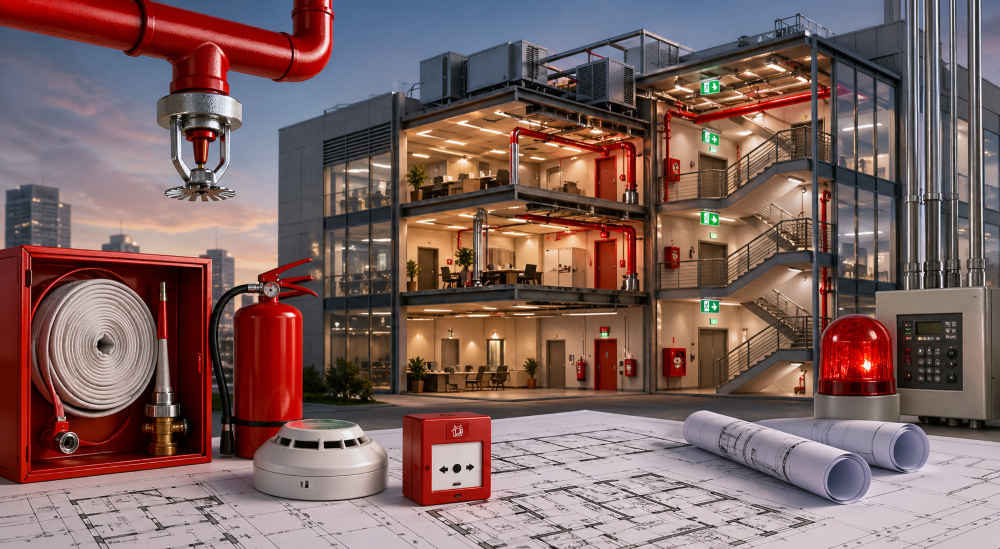
Fire protection systems refer to a combination of active and passive safety measures designed to detect, control, and suppress fire hazards in buildings. These systems work together to minimize fire spread, protect occupants, and reduce structural damage.
Fire protection engineering includes several key components:
- Fire alarm systems
- Automatic sprinkler systems
- Smoke control systems
- Fire suppression systems (chemical, gas-based, or water mist)
- Emergency exits and evacuation planning
- Fire-rated structural materials
Each of these elements must be carefully engineered to ensure full compliance with safety codes and functional integration with other building systems such as electrical, mechanical, and plumbing.
This is where fire protection engineering consultants in Millstone Township NJ become essential partners in the design process.
Why Fire Protection Systems Are Essential in Building Design
Fire protection is not just about responding to emergencies—it is about preventing catastrophic failure and ensuring occupant safety from the earliest design stages.
1. Life Safety and Occupant Protection
The primary purpose of fire protection systems is to save lives. Early fire detection systems alert occupants before fire spreads, allowing time for evacuation. Sprinkler systems can control or extinguish fire before it becomes uncontrollable.
Without proper fire engineering, evacuation routes may fail, alarms may be delayed, and smoke spread can become fatal within minutes.
2.Property and Asset Protection
Fire damage can destroy years of investment in seconds. A properly designed fire protection system reduces structural damage, protects equipment, and minimizes financial loss. Businesses can resume operations faster when fire damage is controlled at an early stage.
3.Code Compliance and Legal Requirements
Modern buildings must comply with strict fire safety codes and regulations. Failure to meet these standards can result in:
- Construction delays
- Legal penalties
- Insurance issues
- Occupancy denial
Professional fire engineering ensures that all systems align with local and international building codes.
4.Integration with MEP Systems
Fire protection is deeply integrated with Mechanical, Electrical, and Plumbing systems. For example:
- HVAC systems must support smoke control
- Electrical systems must ensure emergency power for alarms
- Plumbing systems must supply adequate water pressure for sprinklers
This coordination requires advanced engineering expertise provided by specialists such as fire protection engineering consultants in Millstone Township NJ.
The Engineering Approach to Fire Protection Design
Fire protection systems are not designed in isolation. They are part of a comprehensive engineering strategy that evolves during each phase of construction—from conceptual design to final commissioning.
Conceptual Stage
At this stage, engineers assess:
- Building type and occupancy
- Risk classification
- Local fire codes
- Structural layout
Early planning ensures fire safety is integrated into architectural design rather than added later as a correction.
System Design Phase
Engineers develop detailed layouts for:
- Fire alarm placement
- Sprinkler system zoning
- Emergency exit routes
- Smoke control mechanisms
This phase requires coordination between architects and engineering consultants to ensure system compatibility.
Construction and Implementation
During construction, fire protection systems are installed based on engineered drawings. Quality control and site inspections ensure that systems are built according to specifications.
Testing and Commissioning
Before occupancy, all fire protection systems undergo rigorous testing:
- Alarm response tests
- Sprinkler activation tests
- Emergency lighting checks
- Smoke control validation
Only after successful testing is a building cleared for use.
Role of Specialized Fire Protection Engineers
Fire protection engineering is a highly specialized field that requires deep technical knowledge, regulatory understanding, and practical design experience.
R&P Consulting Engineers provide integrated fire protection engineering solutions that ensure safety, compliance, and efficiency in every project.
Their expertise includes:
- Fire alarm system design
- Sprinkler system engineering
- Code compliance analysis
- Risk assessment and mitigation planning
- MEP/FP coordination
- Construction documentation and approvals
By combining architectural understanding with engineering precision, R&P Consulting Engineers ensure that every building meets the highest safety standards.
Why Professional Fire Protection Consultants Matter
Many building failures occur not because fire systems are absent, but because they are poorly designed or improperly integrated. This is why professional consulting is critical.
Working with fire protection engineering consultants in Millstone Township NJ ensures:
- Accurate system sizing and design
- Compliance with local fire codes
- Reduced risk of system failure
- Optimized cost without compromising safety
- Seamless integration with building systems
Consultants also help developers avoid costly redesigns during later stages of construction.
Fire Protection in Different Types of Buildings
Fire safety requirements vary depending on building type.
Residential Buildings
Focus on:
- Smoke detectors
- Escape routes
- Sprinkler systems in high-rise buildings
Commercial Buildings
Require:
- Advanced fire alarm systems
- Zoned sprinkler networks
- Emergency communication systems
Industrial Facilities
Need:
- Hazard-specific suppression systems
- Gas detection systems
- High-capacity water supply systems
Healthcare Facilities
Require:
- Patient evacuation systems
- Fire-safe medical equipment layouts
- Redundant emergency systems
Each of these requires careful engineering planning by experienced professionals like fire protection engineering consultants in Millstone Township NJ.
Technology Advancements in Fire Protection Systems
Modern fire protection systems are becoming increasingly intelligent and automated.
Some advancements include:
- Smart fire detection sensors
- AI-based risk monitoring systems
- Integrated building automation systems
- Remote monitoring and alerts
- Advanced clean-agent suppression systems
These technologies improve response time and reduce false alarms, making buildings significantly safer.
Sustainability and Fire Protection Engineering
Fire safety also plays a role in sustainable building design. Modern systems are designed to:
- Reduce water usage in suppression systems
- Use environmentally friendly fire agents
- Improve energy efficiency in fire alarms and sensors
- Minimize environmental damage during fire events
Sustainable fire engineering ensures safety without compromising environmental responsibility.
R&P Consulting Engineers: Commitment to Safety and Excellence
In the field of fire protection engineering, experience, precision, and responsibility matter. R&P Consulting Engineers brings all three together through a strong commitment to innovation and safety.
Their approach includes:
- Collaborative design processes
- Rapid response to project requirements
- Integration of fire protection with full MEP systems
- Strong focus on code compliance and safety standards
- Client-focused engineering solutions
With deep expertise in building systems, R&P Consulting Engineers ensures that every project is not only functional but also fully protected against fire risks.
Conclusion
Fire protection systems are a fundamental part of safe and sustainable building design. They protect lives, preserve property, and ensure compliance with regulatory standards. However, their effectiveness depends heavily on proper engineering design, integration, and execution.
Professional expertise from firms like R&P Consulting Engineers and specialized fire protection engineering consultants in Millstone Township NJ is essential to achieving these goals. From early planning to final commissioning, fire protection engineers ensure that buildings are not only structurally sound but also prepared for emergencies.
In an era where safety standards continue to evolve, investing in high-quality fire protection engineering is not just a requirement—it is a responsibility.